POSTED BY:

COMMENTS:

0

POST DATE:


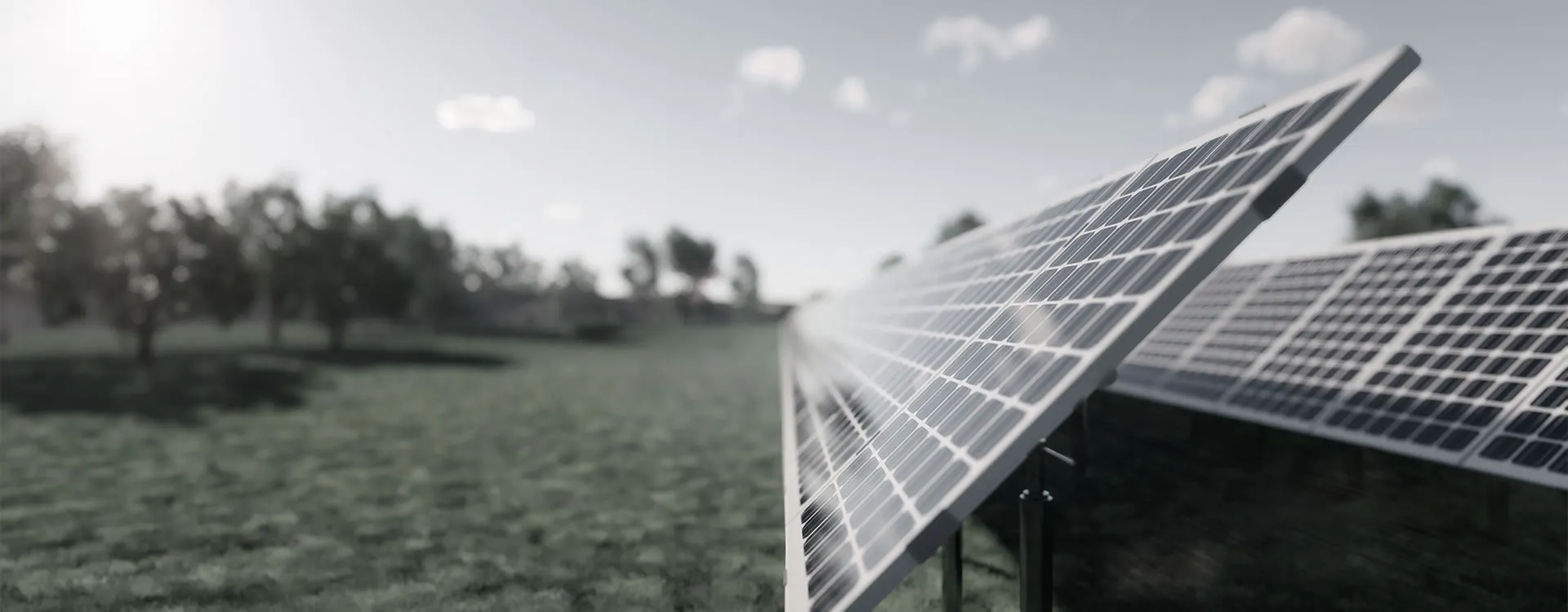
Net metering is a system that allows homeowners with solar panels to receive credits on their utility bill for any excess electricity they generate and send back to the grid. Here's how it works:
  1. A solar panel system is installed on a building's roof.
  2. The system is connected to the utility grid through a bi-directional meter.
  3. During the day, when the sun is shining, the solar panels generate electricity, which is used to power the building's electrical needs.
  4. Any excess electricity that is not used is sent back to the grid.
  5. The utility company records the amount of electricity generated by the solar panels and the amount of electricity that is sent back to the grid.
  6. At the end of each billing cycle, the homeowner is credited for any excess electricity that was sent back to the grid, reducing their overall electricity bill.
  7. When the solar panels are not generating enough electricity to meet the building's needs, the homeowner can draw electricity from the grid, as usual.
Net metering is designed to promote the widespread adoption of renewable energy and to encourage homeowners to generate their own clean electricity.

Leave a Reply

Your email address will not be published. Required fields are marked *

Related Post

electrical substation equipment

What is Buchholz relay?

The Buchholz relay: Buchholz relay is a protective device that is commonly used in oil-immersed transformers to detect internal faults and...
Electrical Engineering Consultancy

How to ensure electrical safety for Buildings.

How to ensure electrical safety for Buildings.

Nowadays we could not spent a single hour without using of electricity. So it...
electrical substation equipment

Electrical Substation

Electrical Substation An electrical substation is a set of devices such transformer, HT panel, LT Panel, PFI, Busbars, Lightning arrestors...

The Neutral Conductor

The Neutral Conductor In most electrical systems, the same size conductor is used for the neutral as for the phase (hot)...