POSTED BY:
COMMENTS:
0
POST DATE:
What Is Lightning
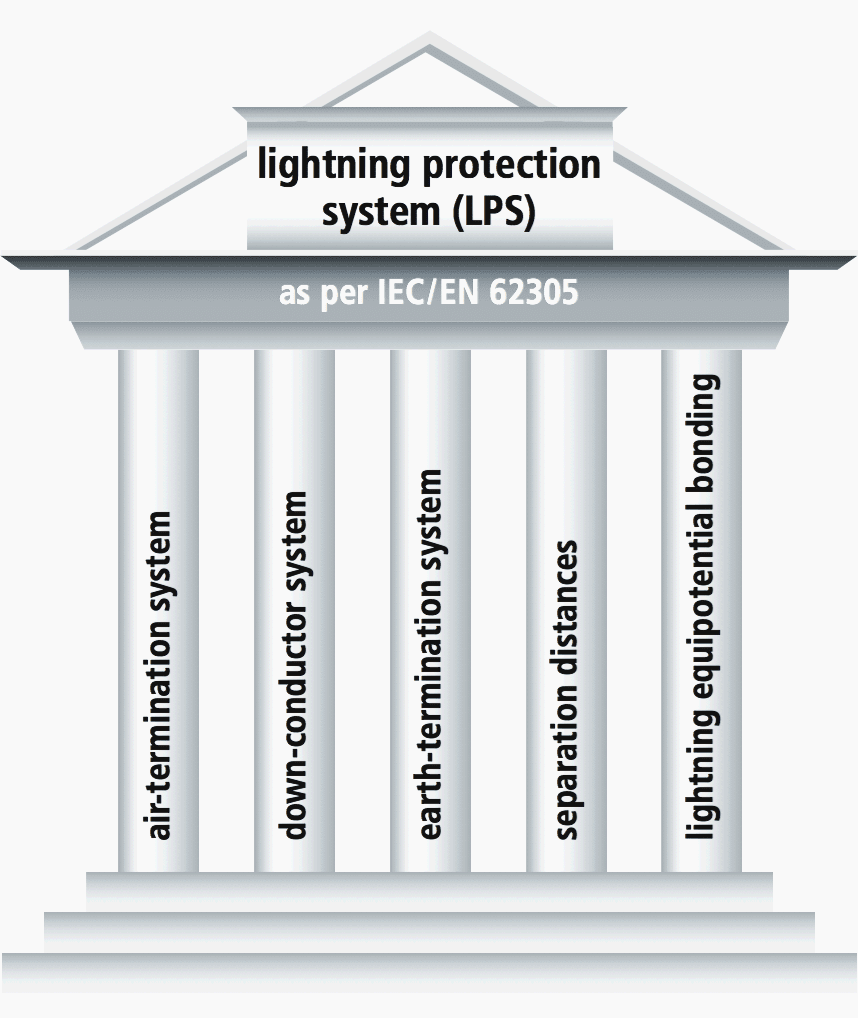
Lightning is one of the most destructive natural phenomena, capable of causing severe damage to buildings, electrical systems, industrial equipment, and sensitive IT infrastructure within a fraction of a second. Every year, lightning strikes result in equipment failures, fire hazards, costly downtime, and data loss across commercial, industrial, and residential facilities. A Complete Lightning Protection System (LPS) is far more than a simple lightning rod installed on a rooftop. It is a carefully engineered solution that captures lightning, safely dissipates its enormous energy into the earth, and protects electrical and electronic equipment from destructive surge voltages. Innovern Engineering is a professional engineering firm offering complete lightning protection solution. In this passage we will discuss that what is complete lightning protection system is, how it works, its components, applicable international standards, and why every critical facility should invest in professional lightning protection.What Is a Complete Lightning Protection System?
A Complete Lightning Protection System is an integrated engineering solution designed to protect people, structures, electrical installations, and electronic equipment from the effects of direct lightning strikes and lightning-induced surges. We offer the following products and services to install a complete lightning protection system.- Lightning Risk Assessment
- Installation of Air Termination System
- Installation of Down Conductors
- Installation of Earthing (Grounding) System
- Ensure the Equipotential Bonding
- Install required type Surge Protection Devices (SPDs)
- Ensure Protection for Power, Data, and Communication Lines
- Inspection, Testing, and Maintenance
Why Lightning Protection Is Essential
A lightning strike can produce:- Peak current exceeding 200 kA
- Voltages reaching millions of volts
- Temperatures approaching 30,000°C
- Powerful electromagnetic fields capable of damaging electronics hundreds of meters away
- Fire and structural damage
- Failure of electrical panels
- Damage to transformers and generators
- Destruction of servers and data centers
- Failure of PLCs, VFDs, and industrial automation systems
- Damage to CCTV, IP cameras, networking equipment, and telecom systems
- Costly production downtime
- Loss of critical business data
- Safety risks to personnel
Components of a Complete Lightning Protection System
1. Lightning Risk Assessment
Every project should begin with a professional risk assessment in accordance with IEC 62305-2. This assessment evaluates:- Building dimensions and construction
- Lightning flash density
- Occupancy
- Environmental conditions
- Type of electrical and electronic equipment
- Business continuity requirements
2. Air Termination System
The air termination system is designed to intercept lightning before it strikes vulnerable parts of a structure. Common methods include:- Conventional Lightning Rods
- Franklin Air Terminals
- Roof Mesh Systems
- Catenary Wire Systems
- Early Streamer Emission (ESE) Systems (where accepted by local requirements)
3. Down Conductors
Once lightning is intercepted, the current must travel safely to earth. Down conductors should:- Follow the shortest practical path
- Be mechanically protected
- Be securely bonded
- Minimize sharp bends
- Be installed around the structure to distribute current effectively
4. Earthing (Grounding) System
The earthing system safely dissipates lightning energy into the soil. A high-quality grounding system may include:- Earth electrodes
- Ring earth conductors
- Foundation earthing
- Earth inspection pits
- Copper-bonded rods
- Chemical earthing (where appropriate)
- Earth enhancement materials
5. Equipotential Bonding
Lightning creates dangerous voltage differences between metallic systems. Equipotential bonding connects:- Structural steel
- Electrical grounding
- Water pipelines
- Cable trays
- Generator grounding
- UPS grounding
- Communication systems
- Metal equipment enclosures
6. Surge Protection Devices (SPDs)
Most damage to electronic equipment is caused by transient overvoltage rather than direct strikes. A coordinated SPD system must design and implemented by expert engineering team. SPD coordination is one of the most important thing as wrong selection of SPD may fail to protect your device while required. There are commonly three types of SPD are used to protect the electrical systems such as Type - 1 SPD, Type - 2 SPD & Type -3 SPD.Protection for Communication and Data Networks
Modern facilities rely heavily on communication systems. A complete solution should also protect:- Ethernet (RJ45)
- Power over Ethernet (PoE)
- RS-485
- RS-232
- Coaxial cables
- Telephone lines
- Fire alarm systems
- Access control systems
- CCTV systems
- Industrial communication networks
Applications of Lightning Protection Systems
Complete lightning protection is recommended for:- Industrial factories
- Manufacturing plants
- Data centers
- Commercial buildings
- Hospitals
- Hotels
- Educational institutions
- Airports
- Power plants
- Telecom towers
- Warehouses
- Shopping malls
- Oil and gas facilities
- Solar power plants
- Government buildings
International Standards
Professional lightning protection systems should be designed and installed in accordance with recognized international standards, including:- BNBC2020 - Bangladesh National Building Code [Part-3 Chapter 8]
- IEC 62305 – Protection Against Lightning - [ Part 1, 2, 3 & Part 4 ]
- IEC 61643 – Surge Protective Devices
- NFPA 780 – Standard for the Installation of Lightning Protection Systems
- IEEE 1100 – Powering and Grounding Electronic Equipment
- ANSI/TIA-607 – Telecommunications Bonding and Grounding
Benefits of a Complete Lightning Protection System
A professionally engineered system helps:- Protect lives
- Prevent fire hazards
- Reduce equipment failures
- Safeguard IT infrastructure
- Improve electrical reliability
- Minimize downtime
- Protect valuable business data
- Extend equipment life
- Reduce maintenance costs
- Support business continuity
Why Professional Design Matters
Installing only a lightning rod does not provide complete protection. Lightning protection is an investment in safety, operational reliability, and business continuity. As facilities become increasingly dependent on sensitive electronic systems and networked equipment, a professionally designed Complete Lightning Protection System is no longer optional—it is a critical part of modern infrastructure. Without proper:- Design
- Installation
- Bonding
- Surge protection devices
- Earthing system performance
- Testing
- Proper Maintenance