POSTED BY:
COMMENTS:
0
POST DATE:
Roof Top Solar System: The Sustainable Power Solution for Bangladesh
Introduction
Bangladesh is experiencing rapid industrialization, urbanization, and increasing electricity demand. At the same time, rising electricity prices, frequent power shortages, and environmental concerns have made renewable energy more important than ever. Among all renewable energy sources, roof top solar systems have emerged as one of the most practical and sustainable solutions for homes, commercial buildings, industries, hospitals, educational institutions, and office complexes.
By utilizing the unused rooftop space of a building, solar panels convert sunlight into clean electricity, reducing dependence on the national grid while lowering electricity bills. With the government's support for renewable energy and net metering, rooftop solar has become an attractive investment for building owners across Bangladesh.
What is a Roof Top Solar System?
A roof top solar system is a photovoltaic (PV) power generation system installed on the roof of a building. Solar panels capture sunlight and generate Direct Current (DC) electricity. An inverter converts this DC power into Alternating Current (AC), which is used to operate electrical appliances.
The system can be:
- Grid-Tied (On-Grid): Connected to the national electricity grid.
- Off-Grid: Operates independently using battery storage.
- Hybrid: Combines grid connection with battery backup.
Among these, grid-tied rooftop solar systems are the most popular in Bangladesh because of their affordability and compatibility with the Net Metering policy.
How Does a Roof Top Solar System Work?
The working principle is simple:
- Solar panels absorb sunlight.
- The panels produce DC electricity.
- A solar inverter converts DC into AC electricity.
- The generated electricity powers the building's electrical loads.
- If the solar system produces more electricity than required, the surplus power is exported to the national grid through a bi-directional meter.
- During nighttime or cloudy weather, electricity is automatically imported from the grid.
The entire switching process happens automatically without any manual operation.
What is Net Metering?
Net Metering is a billing mechanism that allows solar system owners to export excess electricity to the national grid and receive energy credits.
Here's how it works:
- During the day, solar panels often generate more electricity than the building consumes.
- The excess electricity flows back into the utility grid.
- A bi-directional energy meter records both imported and exported electricity.
- At the end of the billing cycle, the exported energy is deducted from the imported energy.
- The consumer pays only for the net electricity consumed.
This system significantly improves the financial return on investment for rooftop solar installations.
Why Bangladesh Needs Roof Top Solar Systems
Bangladesh receives abundant sunshine throughout the year, making it an ideal country for solar energy.
Key advantages include:
Lower Electricity Bills
Solar energy can reduce electricity costs by 40% to 90%, depending on system size and consumption patterns.
Environmentally Friendly
Solar power generates electricity without air pollution, greenhouse gas emissions, or noise.
Energy Independence
Building owners become less dependent on fluctuating electricity prices and power shortages.
Better Return on Investment
Most rooftop solar systems recover their installation cost within 4–7 years while continuing to generate electricity for over 25 years.
Low Maintenance
Solar systems require minimal maintenance. Regular cleaning and periodic inspections are generally sufficient.
Productive Use of Roof Space
Unused rooftop areas become valuable assets that generate electricity every day.
Components of a Roof Top Solar System
A complete rooftop solar system generally consists of:
- Solar PV Panels
- Grid-Tied Solar Inverter
- Mounting Structure
- DC & AC Cables
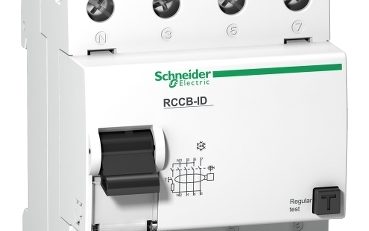
- DC Isolator Switch
- AC Isolator Switch
- Combiner Box
- Surge Protection Devices (SPD)
- Earthing System
- Lightning Protection System
- Bi-directional Net Meter
- Monitoring System
Proper grounding, surge protection, and lightning protection are essential for protecting both the solar installation and connected electrical equipment.
Benefits for Commercial and Industrial Buildings
Commercial and industrial facilities usually consume large amounts of electricity during daylight hours—the same period when solar panels produce maximum power.
Benefits include:
- Reduced operational expenses
- Improved energy efficiency
- Lower carbon footprint
- Stable electricity costs
- Increased property value
- Better corporate sustainability image
Factories, garments, shopping malls, hospitals, universities, and office buildings are among the biggest beneficiaries.
Choosing the Right Solar System
Before installing a rooftop solar system, consider:
- Available rooftop area
- Daily electricity consumption
- Shadow-free installation location
- Structural strength of the roof
- Future power requirements
- Quality of solar panels and inverter
- Professional installation and maintenance support
A properly designed system ensures maximum energy generation and long-term reliability.
Maintenance Tips
To achieve maximum performance:
- Clean solar panels regularly.
- Inspect wiring and connectors periodically.
- Check inverter performance.
- Test earthing resistance annually.
- Inspect surge protection devices.
- Ensure lightning protection remains intact.
- Monitor daily energy generation through the monitoring system.
Preventive maintenance helps maintain efficiency and extends system life.
The Future of Solar Energy in Bangladesh
As Bangladesh moves toward cleaner and more sustainable energy sources, rooftop solar systems will play a vital role in reducing dependence on fossil fuels and supporting national energy security.
Government incentives, net metering, and declining solar equipment costs are making rooftop solar increasingly affordable for residential, commercial, and industrial users.
Investing in rooftop solar today is not only a smart financial decision but also a commitment to a cleaner, greener, and more sustainable Bangladesh.
Conclusion
Roof top solar systems are transforming the way Bangladesh generates and consumes electricity. With abundant sunlight, supportive government policies, and the advantages of net metering, solar energy has become one of the best long-term investments for homes and businesses alike.
Whether you are looking to reduce electricity bills, improve energy reliability, or contribute to environmental sustainability, a professionally designed rooftop solar system offers an efficient, reliable, and future-ready power solution.
Now is the perfect time to harness the power of the sun and become part of Bangladesh's clean energy future.