


POSTED BY:
COMMENTS:
0
POST DATE:
1. Purpose
Exothermic welding involves a chemical reaction that produces molten copper at temperatures exceeding 3,000°C (5,400°F). This process presents severe hazards including extreme heat, molten metal splash, toxic fumes, and fire/explosion risks. This document establishes mandatory safety protocols to prevent personnel injury and ensure joint quality compliant with international standards.
2. Referenced Standards (Summary of Requirements)
- IEEE Std 837: Specifies criteria for permanent connections used in substation grounding. Requires that the welding process must not degrade the conductor or leave voids/porosity (which are often caused by moisture, a major safety hazard).
- IEC 61714: Defines the requirements for exothermic connections in earthing/grounding systems. Emphasizes operator competence and mold condition.
- IEC 62305: Covers lightning protection, where exothermic welding is heavily used, requiring connections to withstand thermal and mechanical stress without failure.
- IEEE Std 80: Guide for safety in AC substation grounding, indirectly requiring high-quality, fault-withstanding joints typically achieved via exothermic welding.
3. Hazard Identification
- Thermal Hazards: Extreme radiant heat, molten copper splash, secondary fires.
- Explosion Hazard: Ignition of trapped moisture in molds or on conductors turning instantly to steam.
- Chemical Hazards: Aluminum oxide and other metallic fumes generated during the reaction.
- Mechanical Hazards: Handling heavy molds, clamps, and sharp conductor ends.
- Electrical Hazards: Proximity to energized equipment (if working on live sites).
4. Personal Protective Equipment (PPE)
The following PPE must be worn by the welder and the fire watch/assistant:
- Head/Face: Full-face safety shield with a minimum 5-shade arc-welding lens (to protect against UV/IR radiation from the reaction).
- Body: Flame-Resistant (FR) clothing (long sleeves and pants). No synthetic materials (polyester, nylon) that can melt to the skin.
- Hand Protection: Heavy-duty, leather welding gloves with extended cuffs.
- Leg/Foot Protection: Leather welding aprons (recommended) and heavy-duty leather safety boots with metatarsal protection. Pants must be worn outside the boots (never tucked in) to prevent molten metal from falling into the footwear.
- Respiratory Protection: Unless working in a well-ventilated outdoor environment, a half-mask respirator with P100 particulate filters is required to prevent inhalation of metallic fumes.
5. Pre-Welding Safety Procedures
5.1. Area Clearance & Fire Prevention
- Clear the work area of all combustible materials (dry grass, wood, paper, chemicals) within a minimum radius of 3 meters (10 feet).
- If working on wooden poles or structures, wrap the area with fire-resistant welding blankets.
- Keep a fully charged Class ABC fire extinguisher and a bucket of water/sand within immediate reach.
5.2. Weather Conditions
- Do NOT weld in the rain, snow, or high winds. Moisture is the primary cause of violent steam explosions during exothermic reactions.
- If outdoor conditions are damp, set up a weather-proof canopy that does not restrict ventilation.
5.3. Equipment & Material Inspection (Per IEC 61714)
- Molds: Inspect graphite molds for cracks, excessive wear, or damage. A cracked mold can burst under thermal stress.
- Moisture Check: Molds, clamps, conductors, and welding powder must be 100% dry. If there is doubt, pre-heat the mold using a propane torch until moisture ceases to sizzle.
- Powder Cartridges: Use only the correct size cartridge for the mold. Never mix powder from different batches or manufacturers. Do not use cartridges with torn or damaged packaging.
- Conductor Preparation: Clean the copper conductors thoroughly using a wire brush to remove oxidation, dirt, and grease. Ensure conductors are securely clamped and aligned.
5.4. Electrical Safety (Lockout/Tagout)
- Verify that adjacent conductors or equipment are de-energized and grounded according to applicable LOTO procedures. Induced voltages on long grounding grids can be hazardous.
6. During the Welding Procedure
6.1. Ignition
- Pour the welding powder into the mold. Tap the mold lightly to settle the powder.
- Pour the starting powder (ignition material) on top of the weld powder and trail it slightly over the mold lip.
- Use ONLY the provided flint igniter gun. Never use matches, lighters, or open flame torches to ignite the powder.
- Close the mold lid (if applicable) before striking the flint.
6.2. Reaction Phase
- Once ignited, step back immediately. Do not lean over the mold.
- The reaction will take 3 to 5 seconds. Expect a loud hissing sound, intense bright light, and sparks.
- Do not attempt to stop the reaction if something goes wrong (e.g., minor leakage from a hairline mold crack). Stand clear and let it finish.
7. Post-Welding Safety Procedures
7.1. Cooling and Mold Removal
- Do not open the mold or touch the joint for at least 2 to 3 minutes after the reaction. The metal remains molten long after the visible flame ceases.
- Use heavy leather gloves when handling the mold. Open the mold carefully, pointing it away from your body and others.
7.2. Joint Inspection (Per IEEE 837)
- While wearing gloves, pick up the hot joint with pliers and immediately quench it in water (if safe to do so) to remove the slag.
- The slag is non-toxic but will be extremely hot. Discard it in a designated safe area away from foot traffic.
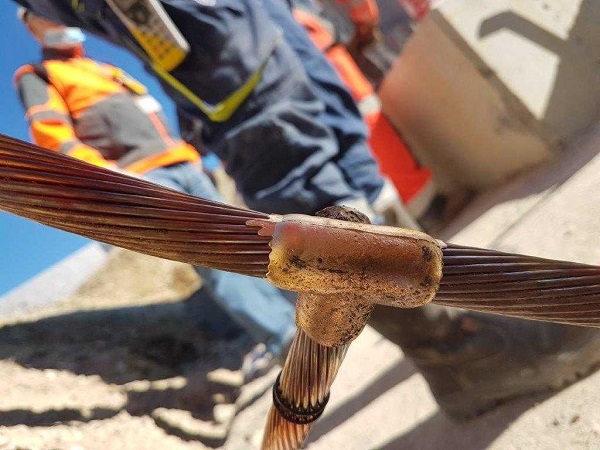
- Visual Inspection: The finished copper joint must be smooth, shiny, and completely encompass the conductors. It must be free of voids, gas pockets, and cracks (which indicate moisture intrusion and constitute an IEEE 837 failure).
7.3. Mold Maintenance
- While the mold is still warm, brush out any residual slag using a designated brass or stiff bristle brush.
- Do not use water to cool a hot mold rapidly, as thermal shock will crack the graphite.
8. Emergency Response
8.1. Molten Metal Burns
- Do not attempt to pull molten copper off the skin.
- Immediately cool the burn with copious amounts of cool (not freezing) water for at least 20 minutes.
- Do not apply ice, butter, or ointments. Cover with a sterile, non-stick dressing.
- Seek immediate professional medical attention.
8.2. Clothing Fires
- STOP, DROP, and ROLL.
- If another person is on fire, smother the flames with a fire blanket or force them to the ground and smother with your FR clothing.
8.3. Fume Inhalation
- Move the affected person to fresh air immediately.
- If breathing is difficult, administer oxygen (if trained) and call emergency medical services.
8.4. Explosive Reaction / Mold Failure
- If the mold shatters, evacuate the immediate area and allow debris and metal to cool completely (at least 15 minutes) before approaching.
- Check personnel for shrapnel injuries.
9. Training & Competency
As required by IEC and IEEE standards, exothermic welding must only be performed by trained and competent personnel. Users must read and understand the specific Equipment Manufacturer’s Safety Data Sheet (SDS) and Instruction Manual before handling materials.
Document Reference: SG-EXW-001 Applicable Standards: IEEE Std 837, IEC 61714, IEC 62305, IEEE Std 80 Scope: This guideline outlines the mandatory safety procedures for personnel performing exothermic (thermite) welding to create copper-to-copper or copper-to-steel electrical connections, primarily in grounding, bonding, and lightning protection systems.

Related Post
Importance of Residual Current Device (RCD)
Importance of Residual Current Device (RCD) in Household Electrical Wiring System in Bangladesh
Electricity has become an indispensable part of modern...
Seven Common Lockout Tagout Mistakes That Put Workers at Risk
Common Lockout Tagout Mistakes
When a Massachusetts manufacturing plant failed to properly lock out a conveyor system, a 34-year-old maintenance worker...
The Neutral Conductor
The Neutral Conductor In most electrical systems, the same size conductor is used for the neutral as for the phase (hot)...
How to eliminate phase to neutral voltage.
The ground to neutral voltage
We are often received call from our client that they need the zero or less than...- Electrical Consultancy
- Grounding System
- Electrical Engineering Company
- Electrical Design and Drawing
- Earthing System
- Engineering Solution
- Fire Detection & Protection System
- Fire Hydrant System
- Lightning Protection System LPS
- IEC 62305 Based Lightning Protection System
- NFPA 780 Based Lightning Protection System
- Installation
- Maintenance & Troubleshooting