


POSTED BY:
COMMENTS:
0
POST DATE:
Importance of Residual Current Device (RCD)
In today’s world, where electricity powers almost everything, ensuring electrical safety is paramount. One critical safety device that plays a vital role in protecting lives and property is the Residual Current Device (RCD). This device, often overlooked, can be a lifesaver by preventing electric shocks and reducing the risk of electrical fires.
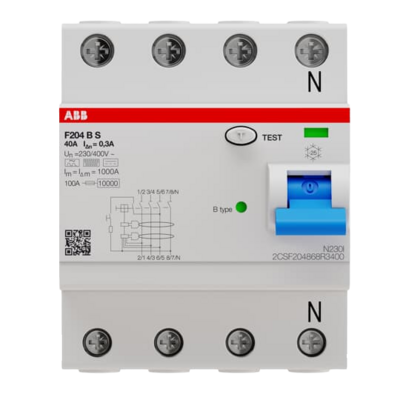
What is a Residual Current Device (RCD)?
A Residual Current Device, commonly known as an RCD, is a highly sensitive safety device designed to detect small electrical faults and automatically switch off the electricity supply to prevent electric shock or electrocution. Unlike regular fuses or circuit breakers, which protect against overcurrent or short circuits, an RCD monitors the balance of electrical current flowing through the live and neutral wires. If it detects an imbalance—which indicates current leakage potentially through a person or faulty equipment—it quickly disconnects the circuit, often in milliseconds.
Why is an RCD Important?
-
Life-Saving Protection: The primary importance of an RCD lies in its ability to protect people from fatal electric shocks. By instantly cutting off electricity when leakage is detected, it significantly reduces the risk of severe injury or death caused by accidental contact with live electrical parts.
-
Fire Prevention: Electrical faults causing current leakage can generate heat and sparks, potentially leading to fires. RCDs help prevent such fire hazards by detecting leakage currents early and disconnecting the faulty circuit before damage occurs.
-
Enhanced Safety in Wet and Industrial Environments: RCDs are especially crucial in wet, damp, or industrial settings, where the risk of electric shock is higher due to environmental conditions or the use of heavy machinery. Their application in these areas ensures additional safety for workers and residents alike.
-
Compliance with Safety Standards: Many electrical regulations and building codes mandate the installation of RCDs to ensure safe electrical installations in residential, commercial, and industrial properties. Using RCDs helps meet these legal requirements and promotes safer electrical practices.
Conclusion
A Residual Current Device is an essential safety component in any electrical installation. It provides critical protection against electric shocks and electrical fires, safeguarding lives and property. Investing in an RCD is a proactive way to enhance electrical safety, comply with regulations, and prevent potentially fatal accidents. Whether at home or in an industrial setting, the importance of RCDs cannot be overstated—they are true lifesavers.


