POSTED BY:
COMMENTS:
0
POST DATE:
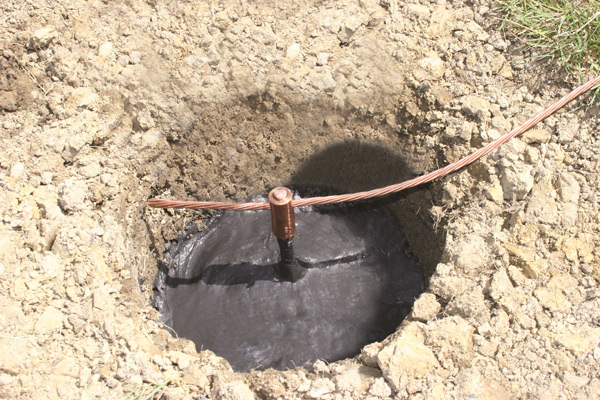
A Chemical Earthing System (often referred to as maintenance-free earthing) is a modern, highly efficient method of providing a low-resistance path for fault currents to safely dissipate into the earth. It is specifically engineered to overcome the limitations of traditional earthing methods (like salt/charcoal pipe or plate earthing) in areas with rocky, sandy, or arid soil conditions. Innovern Engineering is the supplier and installer of Maintenance Free Chemical Earthing System. Our dedicated team are always ready for delivery you the top level solution for Earthing system.
Key Components:
- The Electrode: Typically a highly conductive solid copper rod or a copper-bonded steel rod.
- The Backfill Compound: A specialized, scientifically formulated conductive mixture (often containing Bentonite, Marconite, or proprietary minerals) that surrounds the electrode.
- Outer Casing: In advanced designs, the electrode and compound are housed inside a perforated PVC or GI pipe to prevent direct soil contact and compound leaching.
How It Works: The primary function of the chemical backfill compound is its hygroscopic nature—it continuously absorbs and retains moisture from the atmosphere and surrounding soil. This consistent moisture, combined with the compound's inherently low electrical resistivity, creates a highly conductive "halo" around the electrode. This drastically reduces the earth resistance and prevents the electrode from drying out during seasonal weather changes.
Advantages over Conventional Earthing:
- Space Efficiency: Requires significantly less land area and a narrower borehole compared to traditional plate earthing.
- Maintenance-Free: Does not require periodic watering or the regular addition of salt and charcoal, which degrade over time.
- Long Lifespan: The chemical compound is non-corrosive, protecting the primary electrode from oxidation and decay, often lasting 15 to 25+ years.
- Consistent Performance: Maintains a stable, low earth resistance regardless of dry or hot weather conditions.
- Eco-Friendly: Eliminates the use of standard salt, which can leach into the ground and pollute nearby water tables or damage surrounding concrete foundations.
Common Applications: Due to its reliability, chemical earthing is the standard choice for sensitive and high-risk installations, including data centers, telecommunications towers, solar power plants, substations, and industries with heavy machinery. It is also strictly recommended by modern lightning protection standards (like IEC 62305) to safely handle high-frequency lightning surges.