POSTED BY:
COMMENTS:
0
POST DATE:
1. Introduction
A CCTV network system consists of cameras, network switches, transmission cables, and recording servers (NVR/DVR). These components are highly sensitive to electrical disturbances, especially lightning-induced surges. A proper lightning protection system is essential to ensure continuous operation and prevent costly damage.
2. Causes of Damage
Lightning-related damage to CCTV and server networks can occur through several mechanisms:
2.1 Direct Lightning Strike
- When lightning directly strikes a building, pole, or camera mast.
- High current flows through electrical and structural systems, damaging equipment instantly.
2.2 Indirect Lightning (Induced Surges)
- Nearby lightning strikes induce high voltage in:
- Power lines
- Network cables
- These surges travel into CCTV devices and burn internal circuits.
2.3 Ground Potential Rise (GPR)
- During lightning, the earth potential increases suddenly.
- Voltage difference between grounding points damages interconnected devices.
2.4 Power Line Surges
- Surges entering through utility power supply.
- Affects power adapters, switches, and NVR systems.
2.5 Data Line Surges
- Surges entering through:
- LAN (RJ45) cables
- Coaxial cables
- Common cause of failure in IP cameras and network switches.
2.6 Improper Earthing
- High resistance or poorly connected earthing system.
- Prevents safe discharge of surge energy.
3. Suggestions to Prevent Damage
A complete lightning protection strategy requires a multi-layered approach:
3.1 Install External Lightning Protection System (LPS)
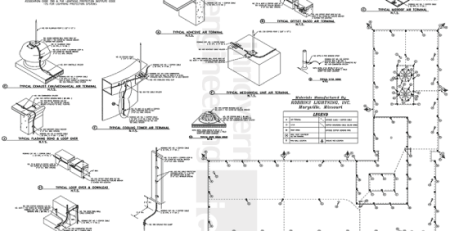
- Use air terminals (lightning rods) on rooftops and poles.
- Provide down conductors connected to a dedicated earth pit.
- Protects against direct lightning strikes.
3.2 Use Multi-Level Surge Protective Devices (SPD)
Power Line Protection
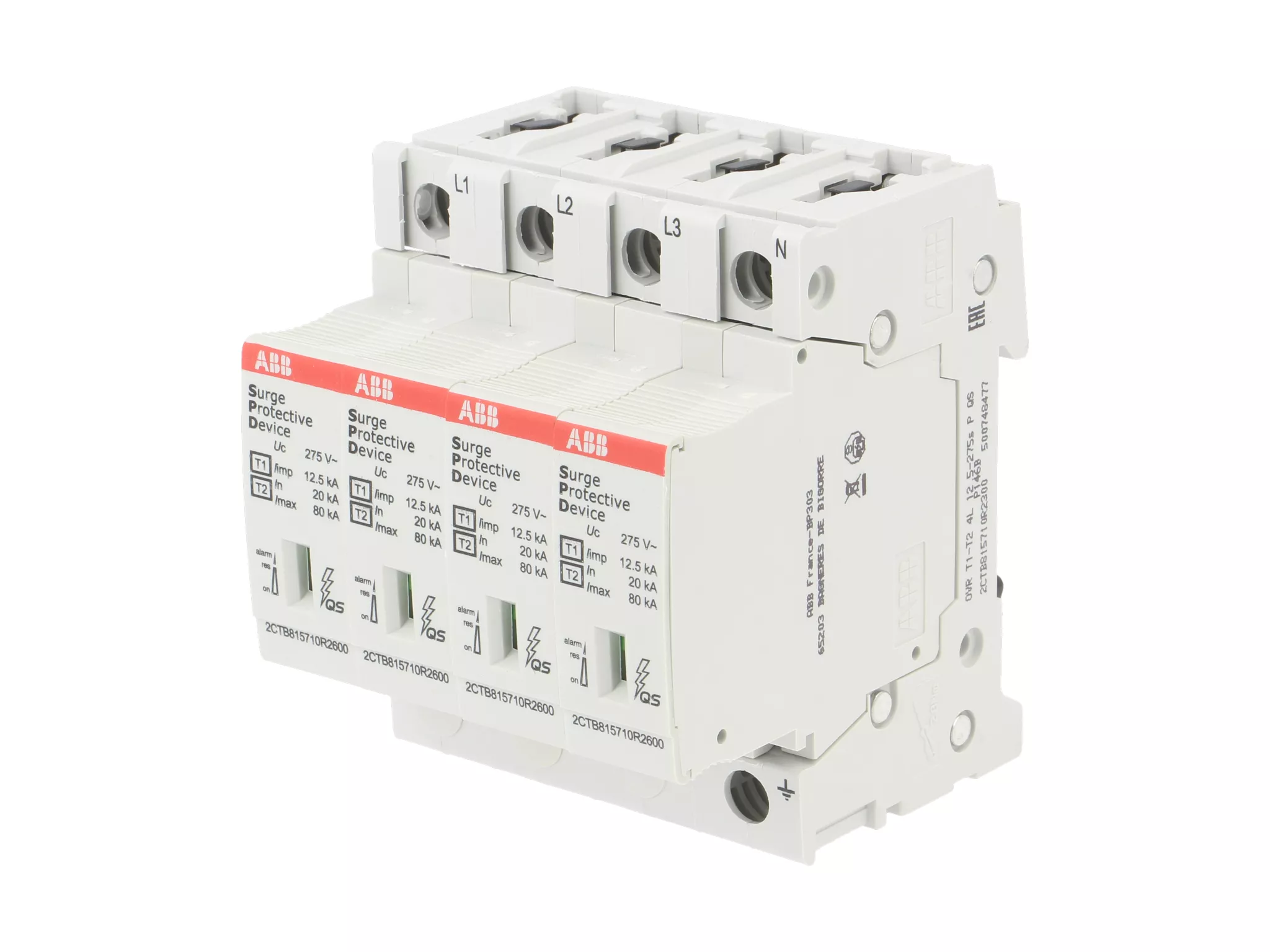
- Install Type 1 SPD at Main Distribution Board (MDB)
- Install Type 2 SPD at Sub Distribution Board (SDB)
- Install Type 3 SPD near sensitive equipment
Data Line Protection
- Use RJ45 Surge Protectors for LAN cables
- Use PoE Surge Protectors for IP cameras
- Use Coaxial SPD for analog systems
3.3 Ensure Proper Earthing System
- Maintain low earth resistance (< 1–2 ohm)
- Provide:
- Lightning earth
- Electrical earth
- Clean earth (for IT/server)
- Interconnect all earth systems (equipotential bonding)
3.4 Equipotential Bonding
- Connect all metallic parts:
- Camera poles
- Server racks
- Cable trays
- Eliminates voltage differences during lightning events.
3.5 Use Shielded and Protected Cabling
- Use Shielded CAT6 (STP) cable
- Route cables through metal conduits or trays
- Avoid exposed or overhead cable routing
3.6 Use Fiber Optic Cable (Recommended)
- Replace copper cables for long or inter-building links
- Fiber is immune to lightning-induced surges
3.7 Install UPS & Power Conditioning
- Use online UPS for:
- Servers
- NVR/DVR systems
- Provides additional surge filtering and backup power
3.8 Regular Inspection & Maintenance
- Periodically test:
- Earth resistance
- SPD health status
- Replace damaged or aged components
4. List of Necessary Items
Below is the recommended list of materials for complete protection:
4.1 Lightning Protection System
- Air terminal (Lightning rod)
- Down conductor (Copper/Aluminum strip or cable)
- Lightning earth electrode (rod/plate type)
- Earth pit with inspection chamber
4.2 Surge Protection Devices (SPD)
Power Line
- Type 1 SPD (Main Panel)
- Type 2 SPD (Sub Panel)
- Type 3 SPD (Equipment level)
Data Line
- RJ45 Surge Protector
- PoE Surge Protector
- Coaxial SPD (if analog CCTV used)
4.3 Earthing Materials
- Copper bonded earth rods
- Earthing cable (16–25 mm² Cu or higher)
- Earth enhancement compound (optional)
- Earth busbar
4.4 Cabling & Accessories
- Shielded CAT6 (STP) cable
- Fiber optic cable (recommended)
- Metal conduit / cable tray
- Weatherproof junction boxes
4.5 Equipment Protection
- Online UPS system
- Rack grounding kit
- Equipotential bonding conductors
5. Conclusion
Lightning poses a serious threat to CCTV and network systems. Damage can occur through power lines, data lines, or grounding issues. The most effective solution is a comprehensive protection system, combining:
- External lightning protection (LPS)
- Multi-stage surge protection (SPD)
- Proper earthing and bonding
- Data line protection
- Use of fiber optic technology
Implementing these measures ensures system reliability, safety, and long-term cost savings.